West Jordan Roof Pros: Roof Replacement, Leak Repair & Deck Work
Expert residential and commercial roofing services. Free inspections across West Jordan and the Salt Lake Valley, with sheathing moisture readings taken from the attic on every visit.
- Licensed and insured Utah roofing contractor, DOPL S280 classification
- Free inspections with attic moisture readings written into the report
- Partial re-decking priced as a line item, never as a tear-off day surprise
- Written workmanship warranty on every roof we install
Our Roofing Services in West Jordan, UT
Roof Replacement
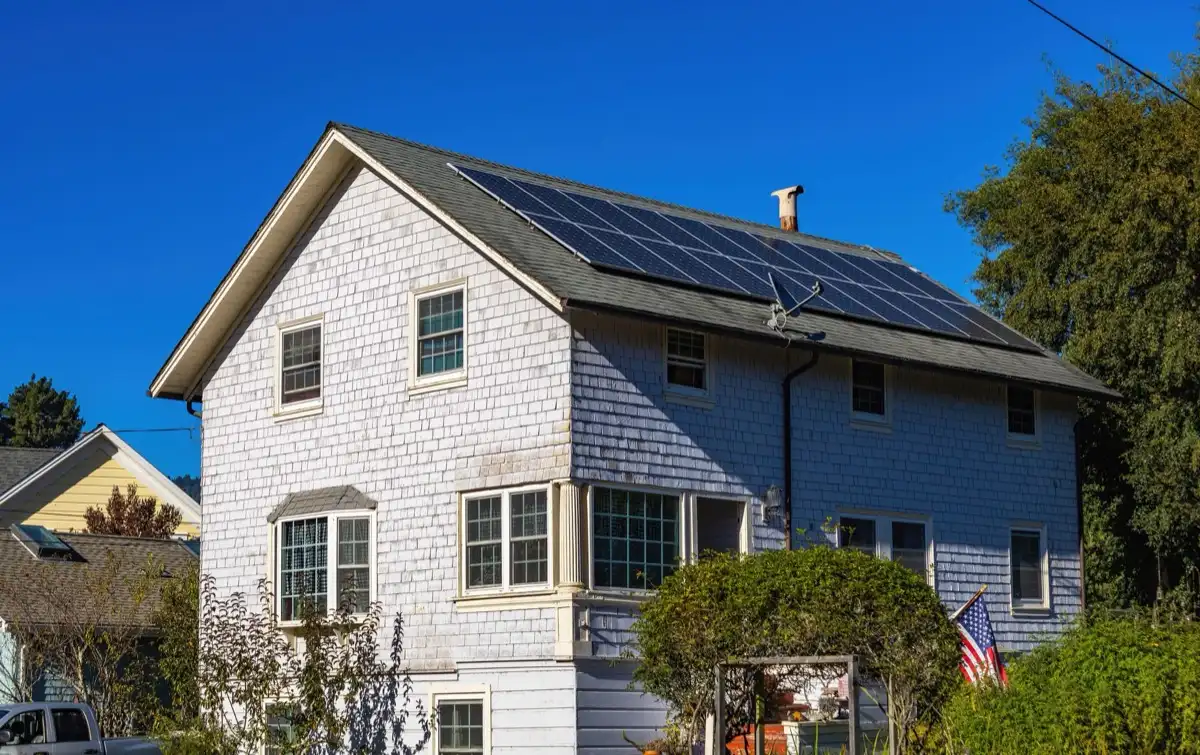
A replacement on the valley floor is decided by the deck, not by the covering. We tear off in the shoulder seasons and find the same thing again and again: sound sheathing across the field, and soft, delaminated panel edges in the first four feet above the eave.
Roof Leak Repair
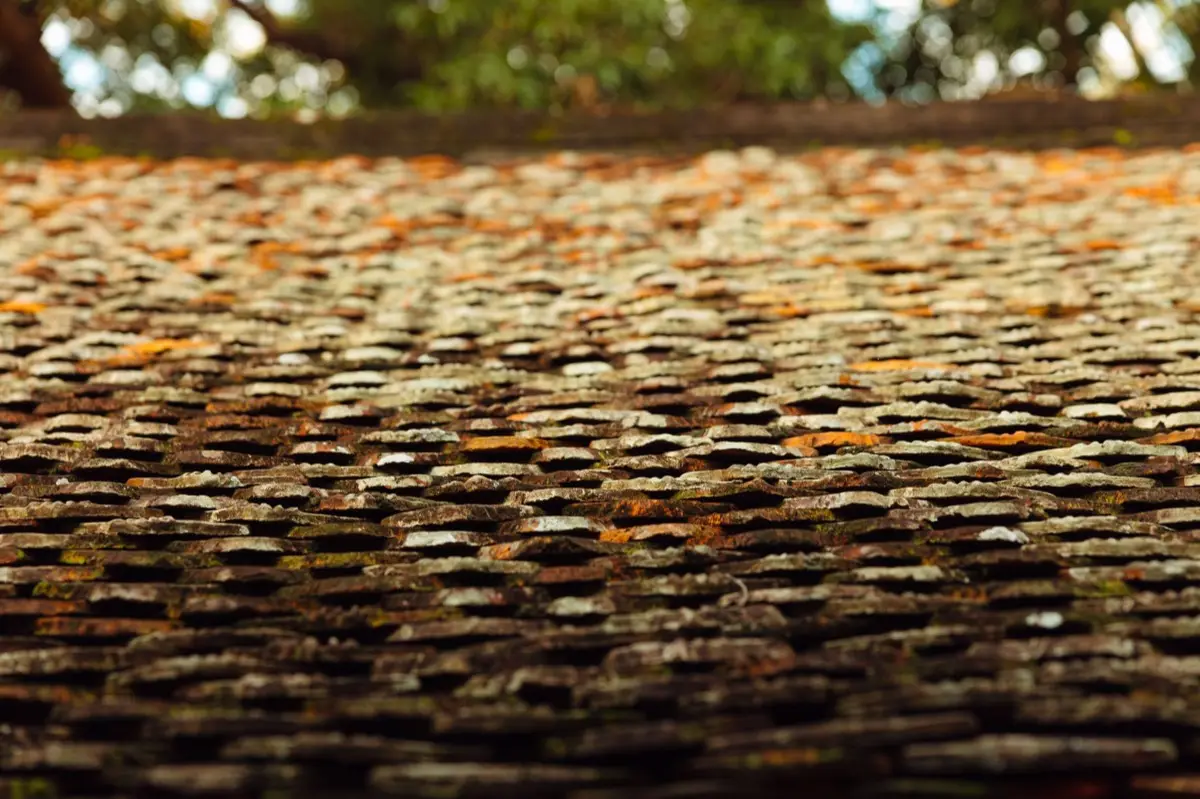
The most common leak we are called about between December and February is not a leak at all. It is condensation on the underside of the sheathing, forming because the deck sits below the dew point of the air inside the house for weeks at a stretch.
Storm Damage Roof Restoration
Storm damage in this valley is usually found late. Wet spring snow and summer downbursts do their work in an hour, then the roof stays cold and damp, and nothing looks wrong from the street until a ceiling browns in February.
Hail Damage Roof Repair
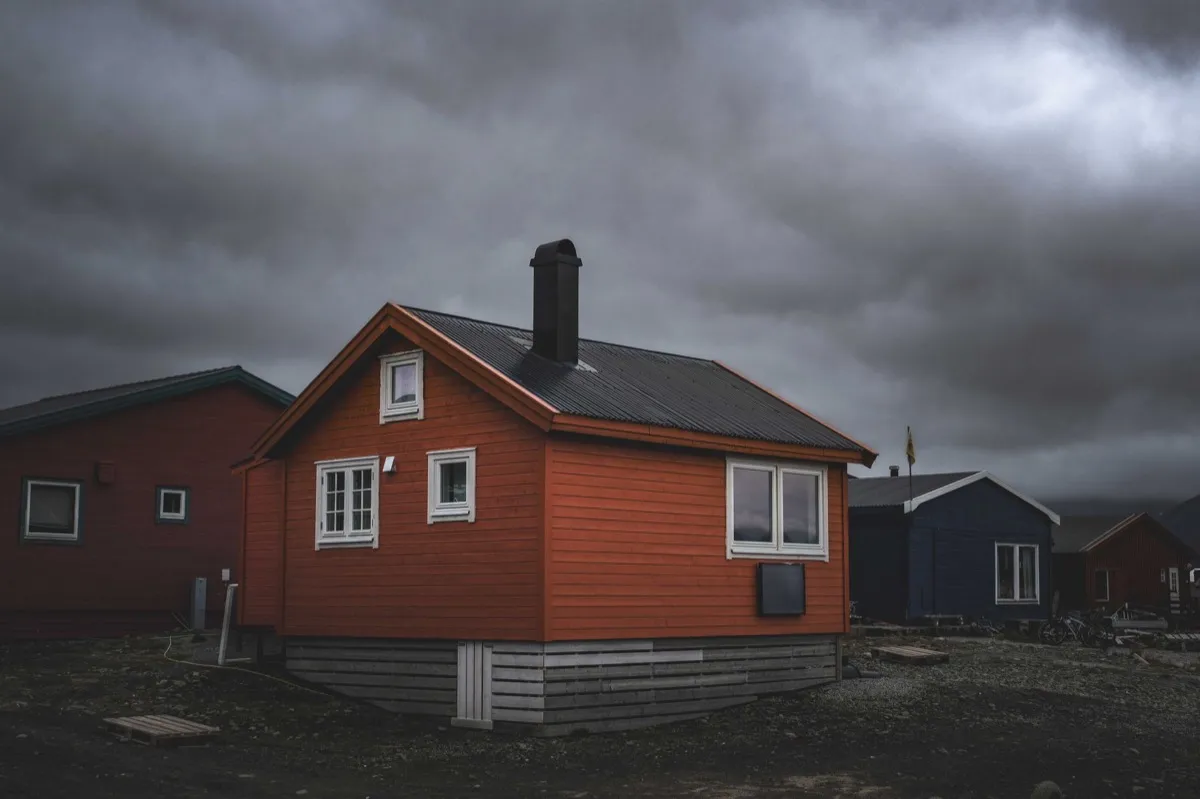
Hail reaches the Salt Lake Valley most springs and most of it does not damage roofs. We get called out after every event, and the majority of what we find turns out to be age, foot traffic, or mechanical damage from something other than ice.
Wind Damage Roof Repair
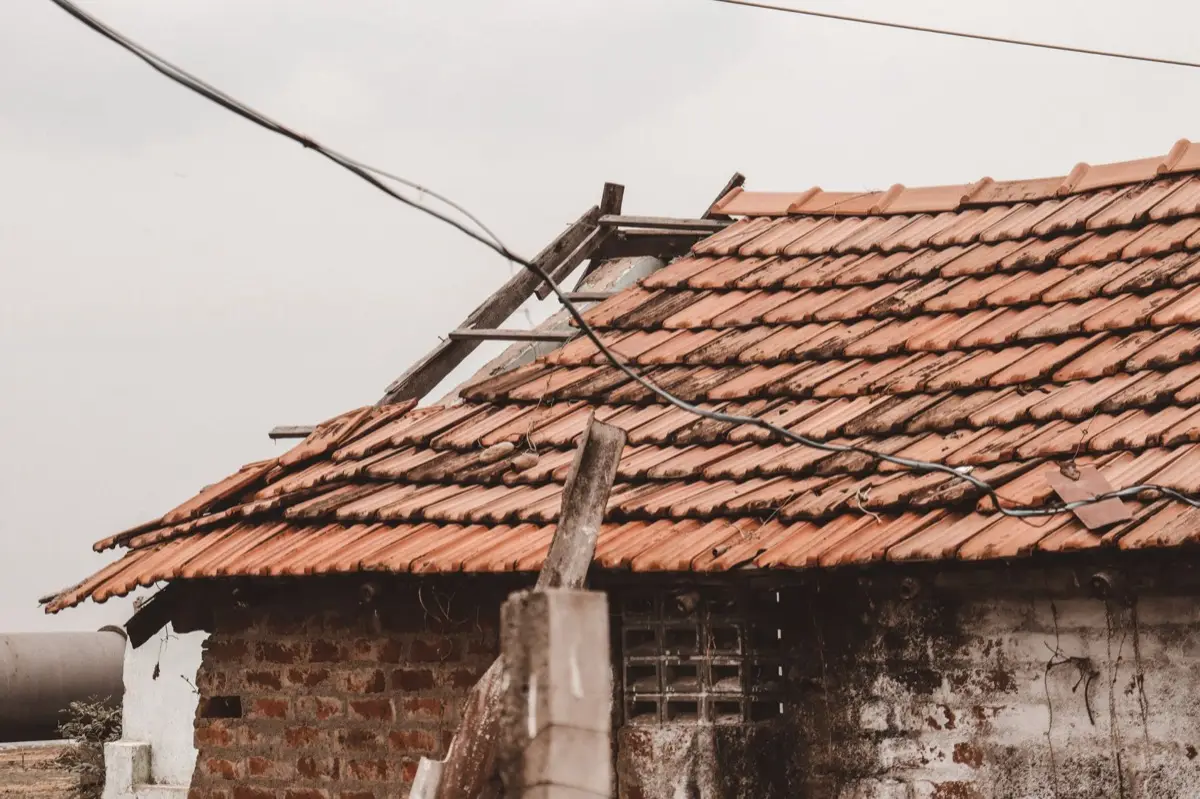
Wind damage here is rarely discovered as wind damage. A gust lifts a course or takes a vent hood in March, nobody notices, and the opening spends the following winter admitting water into a deck that gets no chance to dry between events.
Roof Inspections
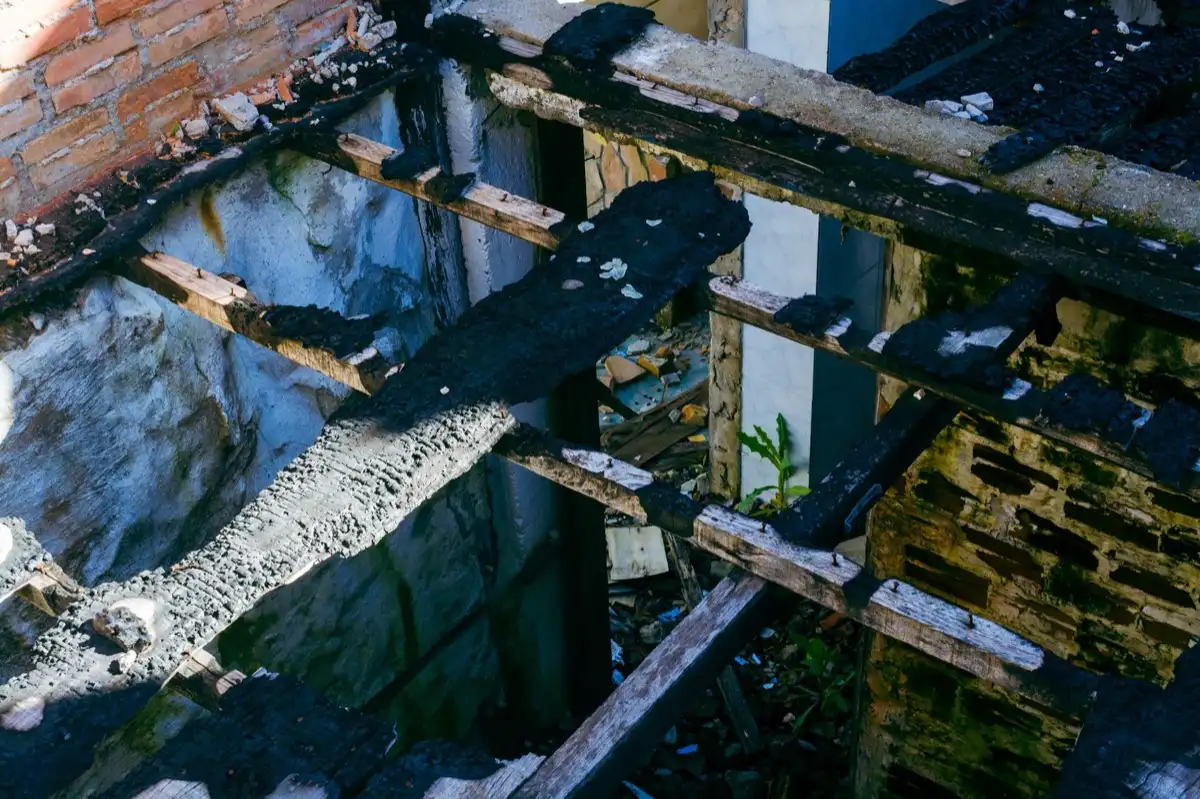
We will not scope a roof from the surface in January. A frosted or damp covering hides granule loss, hides bruising and makes every stain look alike, so a report written on a January morning is worth considerably less than the paper it prints on.
Asphalt Shingle Roofing
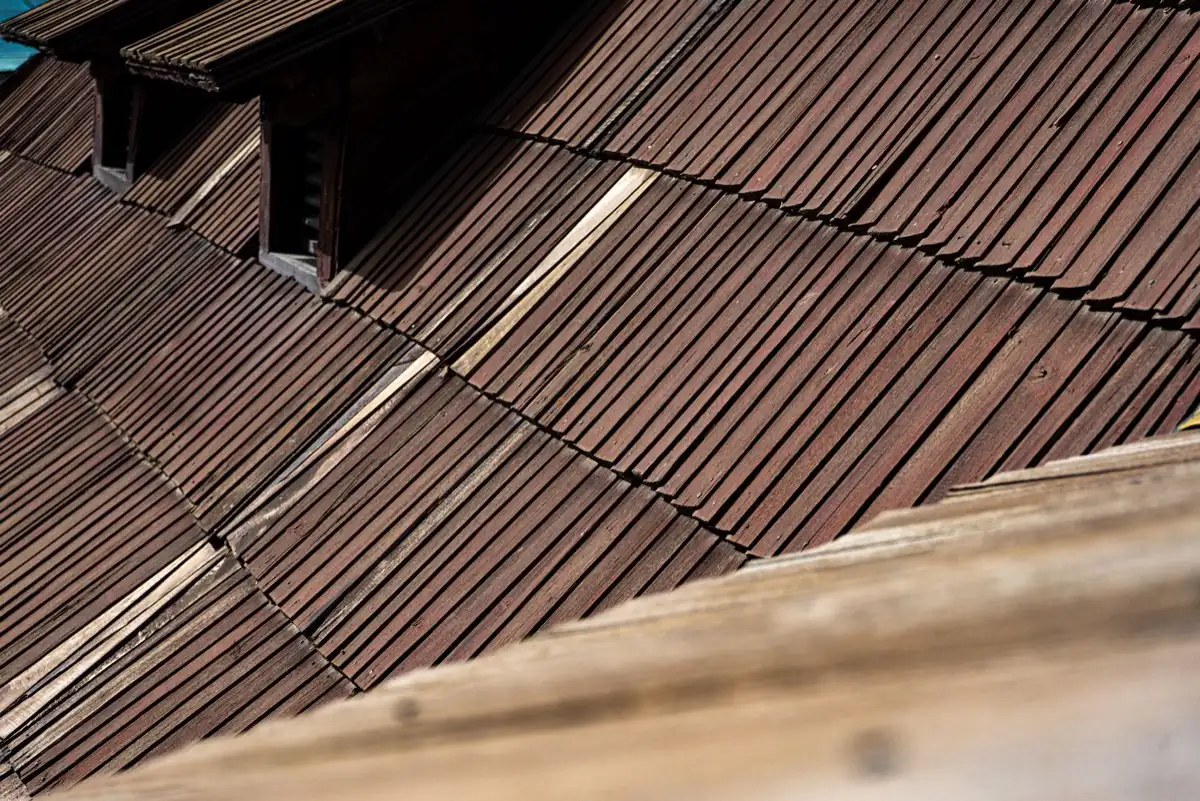
Asphalt covers most of West Jordan, and choosing one here turns on how a covering behaves while wet rather than on how it survives a strike. Our planes spend a third of the year damp and shaded, a slower and costlier failure than any impact event.
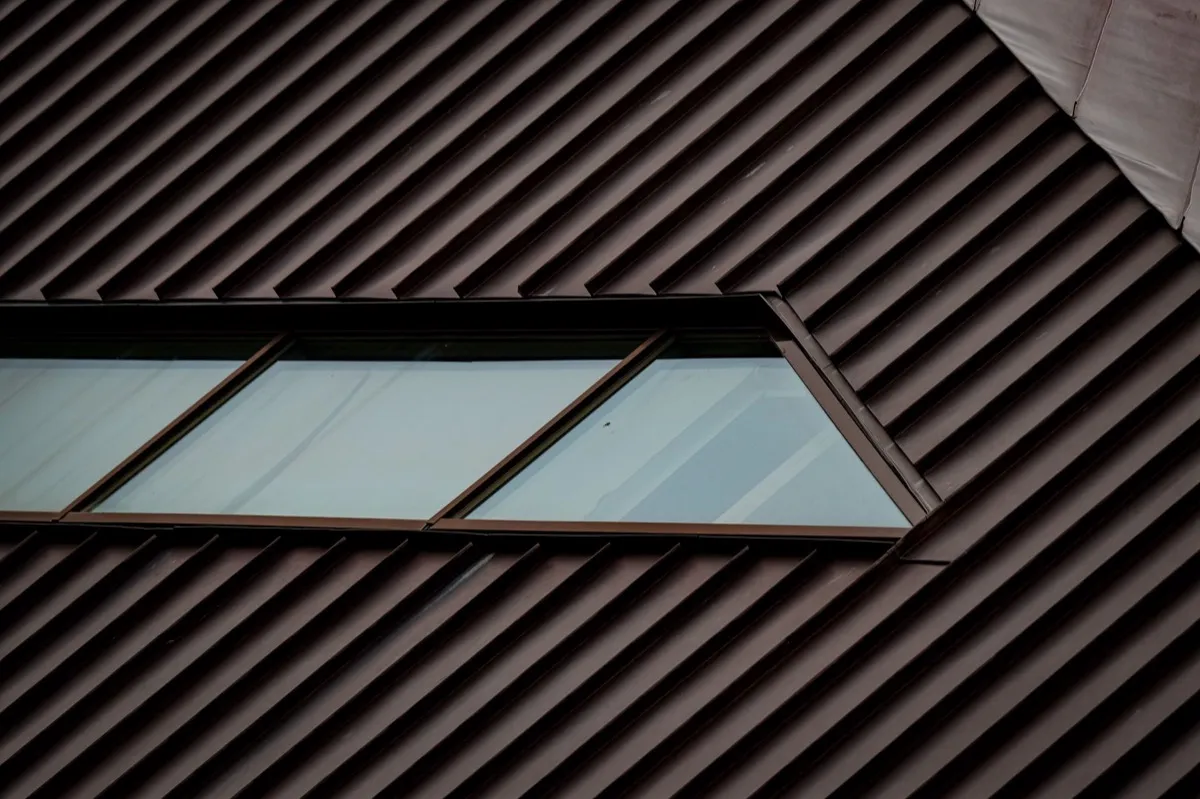
Metal Roofing
Metal is a good roof for this valley and a bad one installed the way most quotes describe. The problem is not weather.
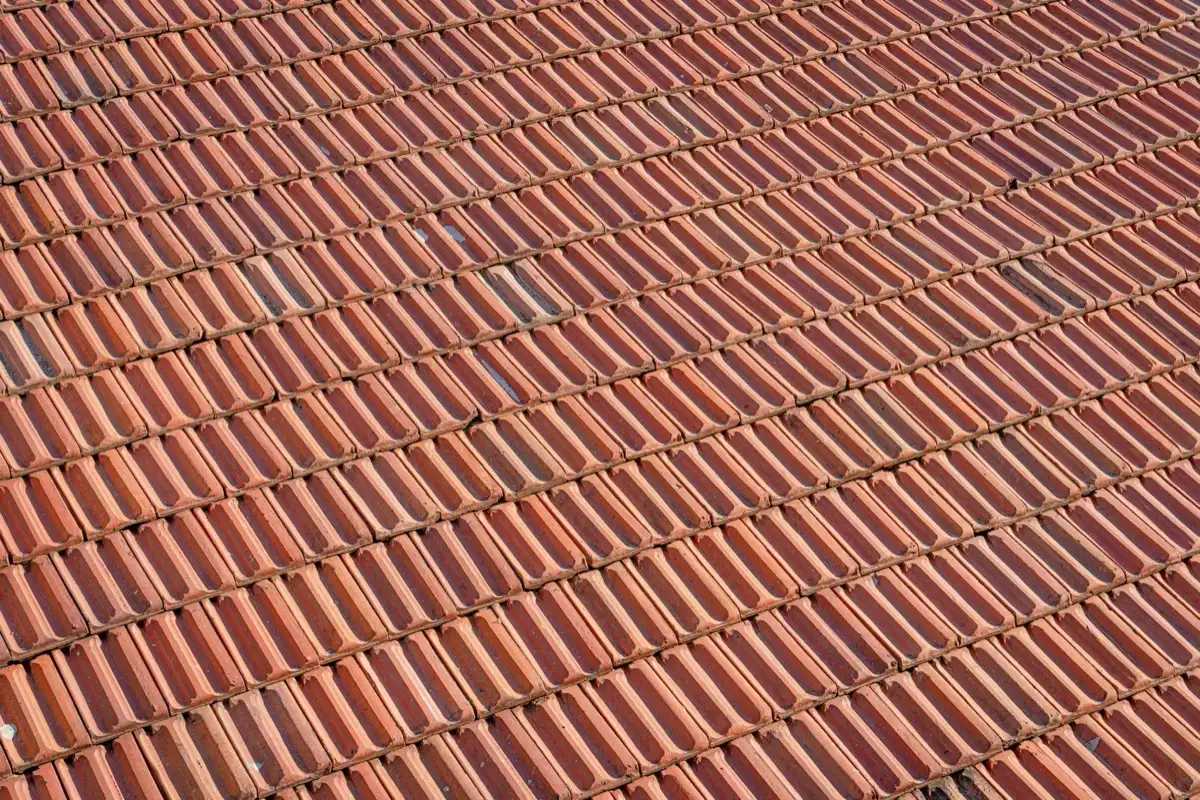
Tile Roofing
Concrete tile turns up on a particular generation of valley subdivisions, and most of the tile roofs we open are failing at the underlayment rather than the tile. That is not a defect.
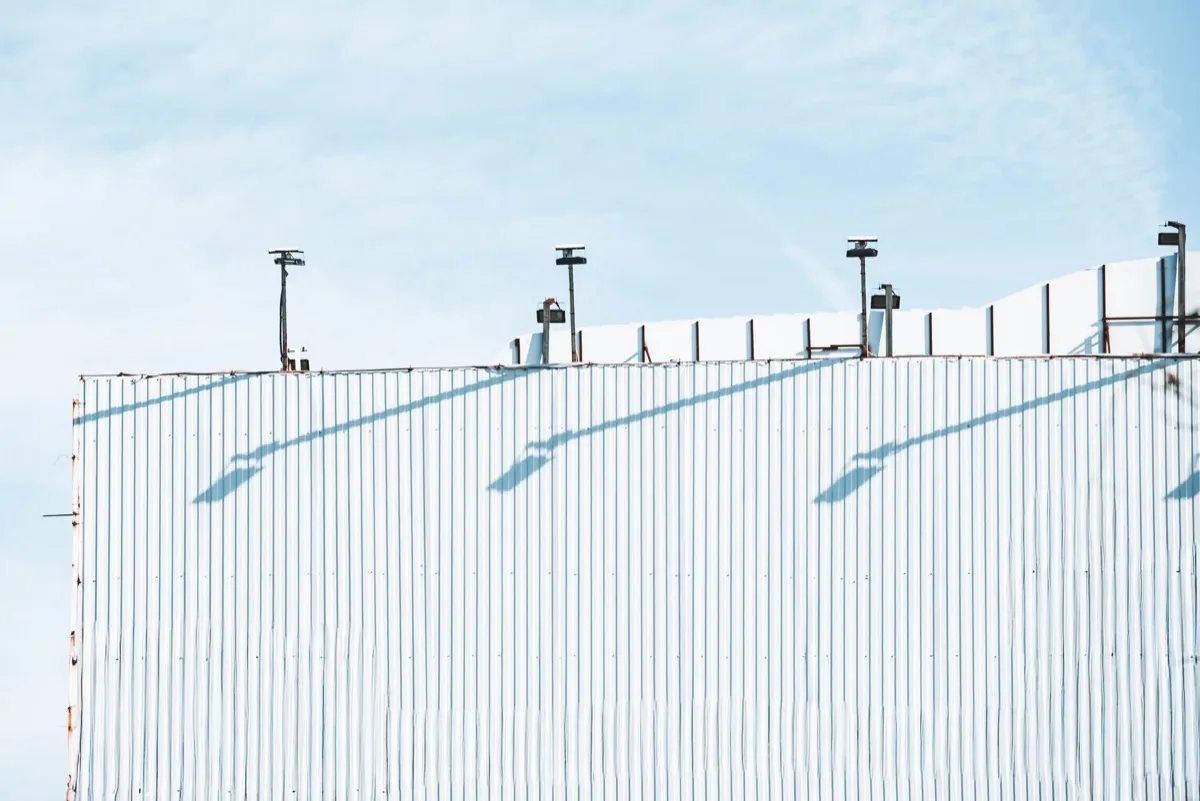
Flat & Low-Slope Roofing
Low-slope roofs in this valley fail on standing water, and the reason is evaporation rather than rainfall. A puddle that would clear in a day somewhere hot and dry can sit for six weeks here between November and March, because nothing up there gets warm enough to move it.
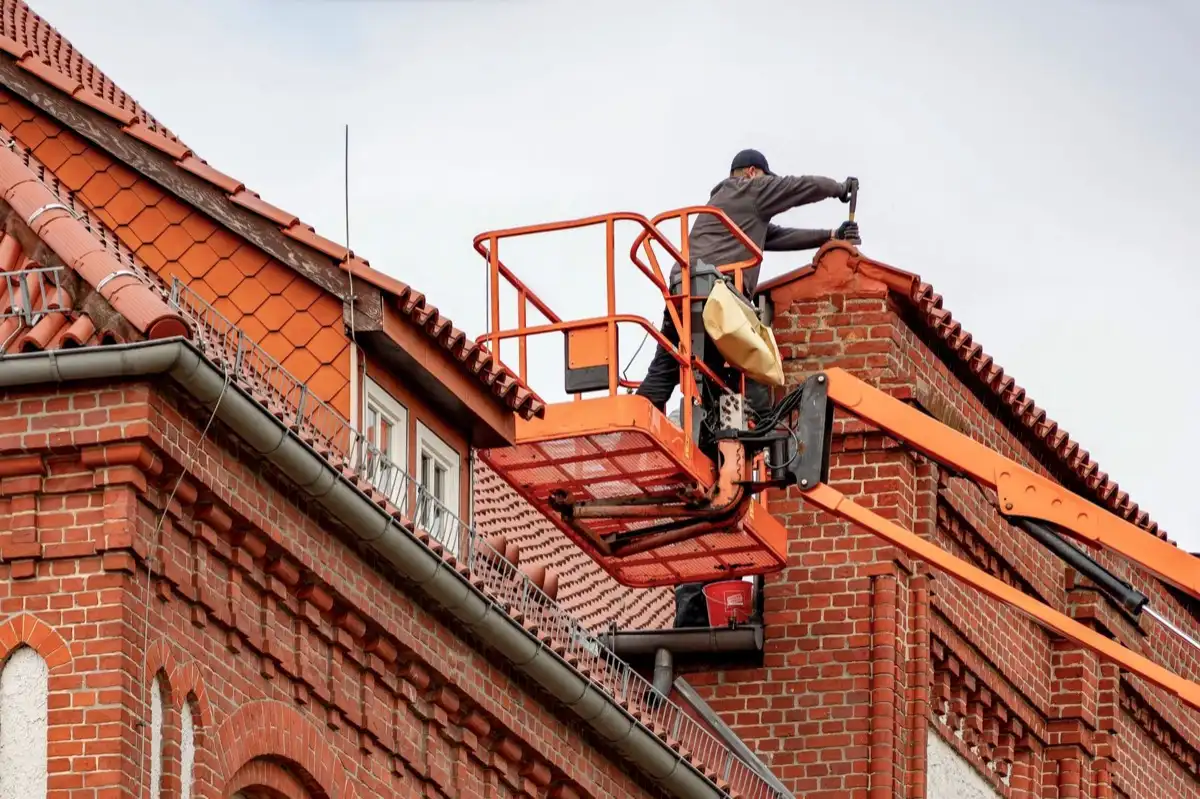
Roof Coatings & Sealing
Coatings do real work here, inside a narrow window. Every one of them needs a clean, dry substrate and a cure period above a minimum temperature, and on the valley floor that window runs from roughly late June to early September.
Roof Ventilation
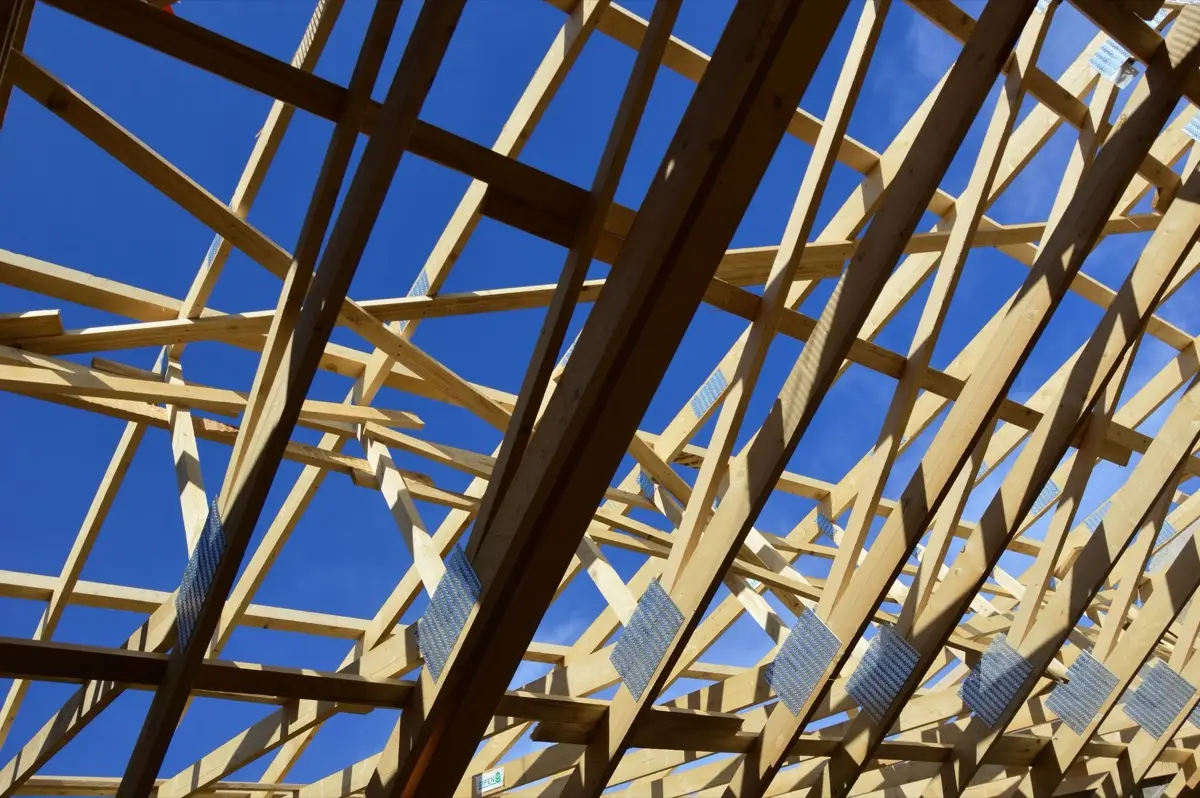
Ventilation on the valley floor is a drying system, not a cooling one. For weeks each winter the sheathing sits colder than the dew point of the air inside your house, and whatever moisture reaches it condenses there and stays put until something moves it along.
Skylights
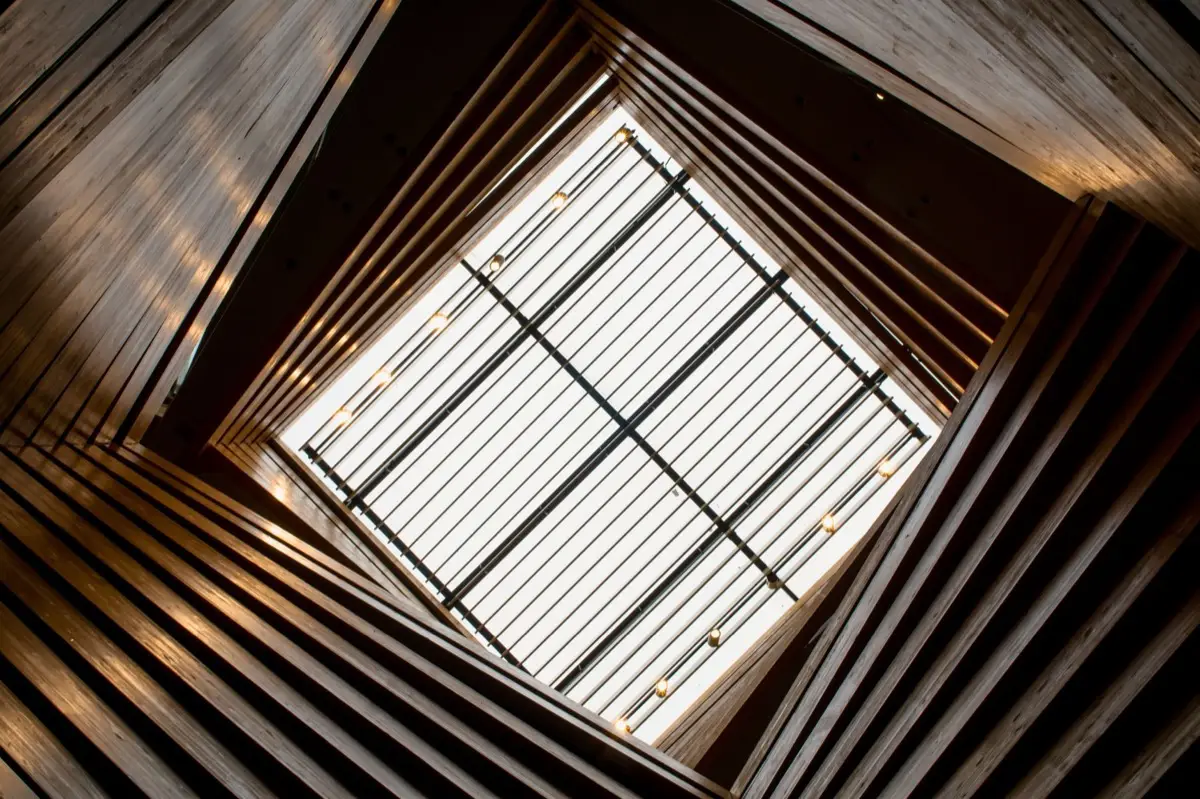
Most wet skylights we are called to in winter are not leaking. Glass is the coldest surface in the room, the shaft above it works as a chimney for warm damp air, and water running down a jamb on a January morning condensed there rather than came through.
Gutters & Downspouts
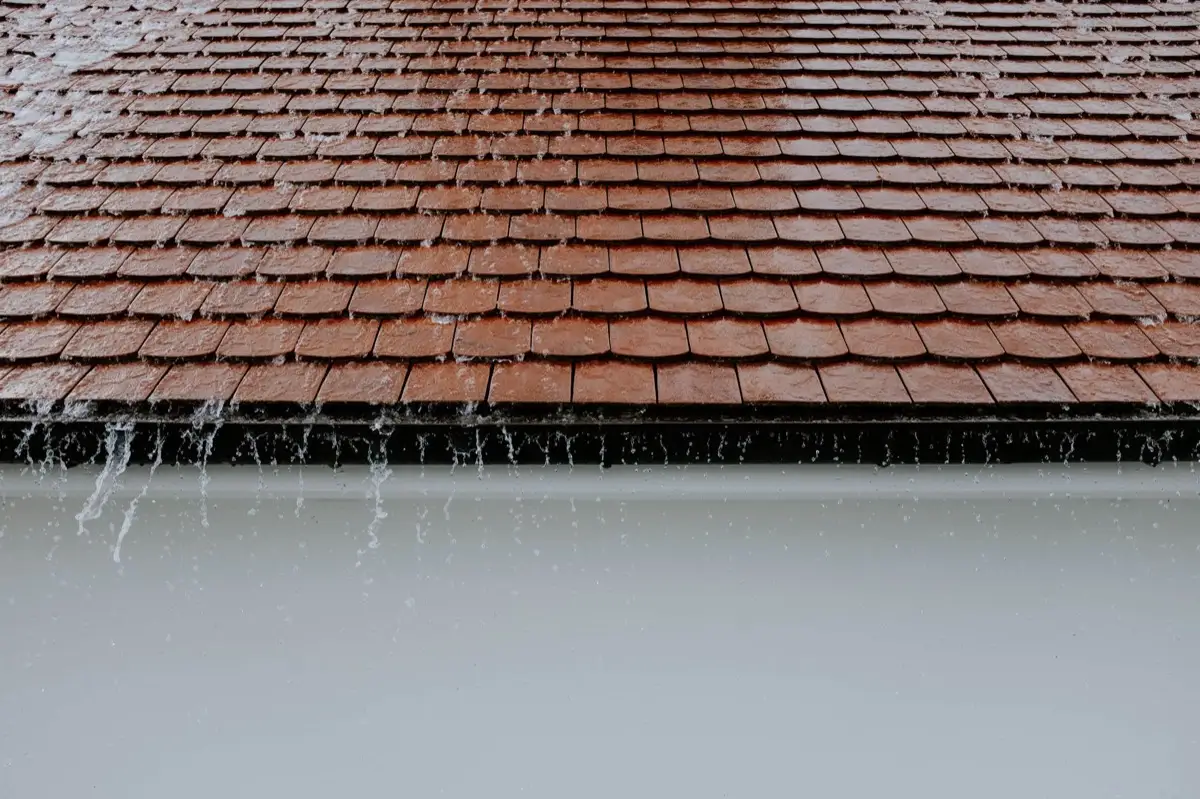
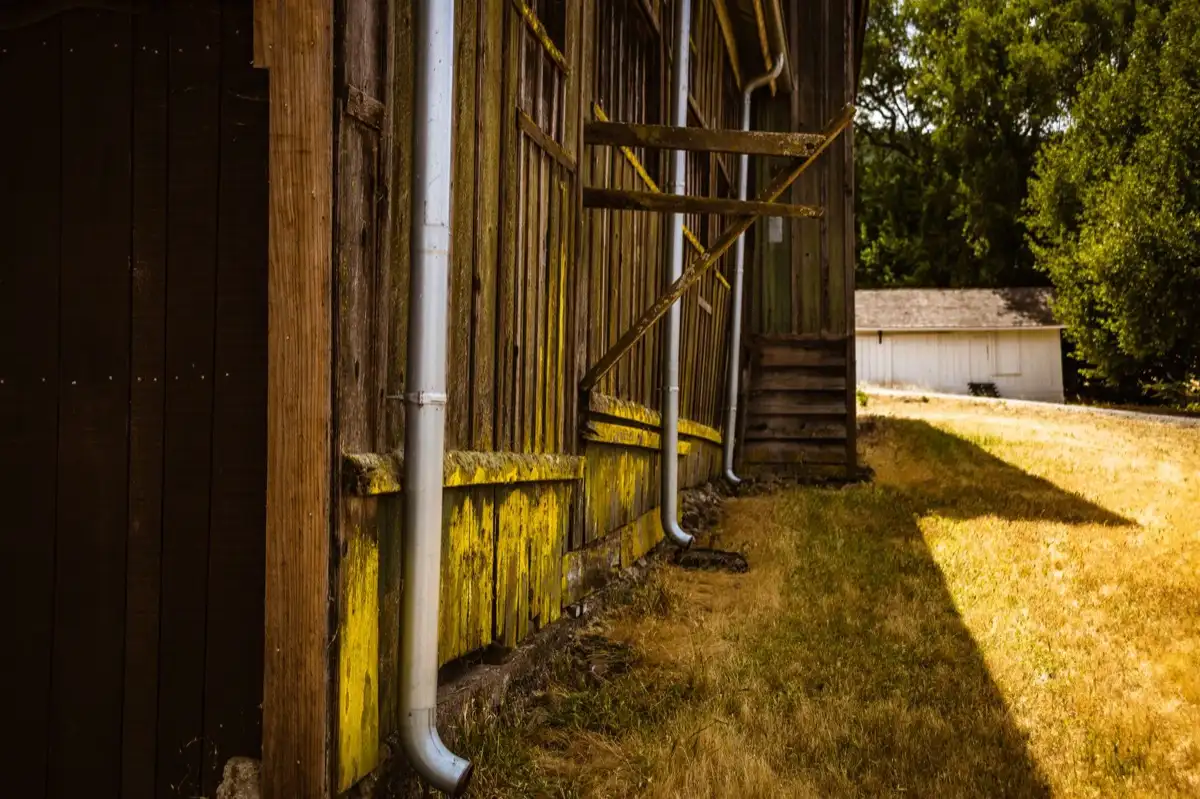
The gutter upsell here is six-inch trough with oversized outlets, and on most West Jordan houses it solves a problem you do not have. Precipitation in this valley arrives slowly and lasts a long time rather than arriving all at once, so raw capacity is rarely what failed.
Fascia & Soffit
The eave is the wettest four feet of a valley roof, and the fascia and soffit are its edge. Everything that fails there fails for one reason: water that should have crossed metal into the trough went behind it instead, and then had months rather than hours to work.
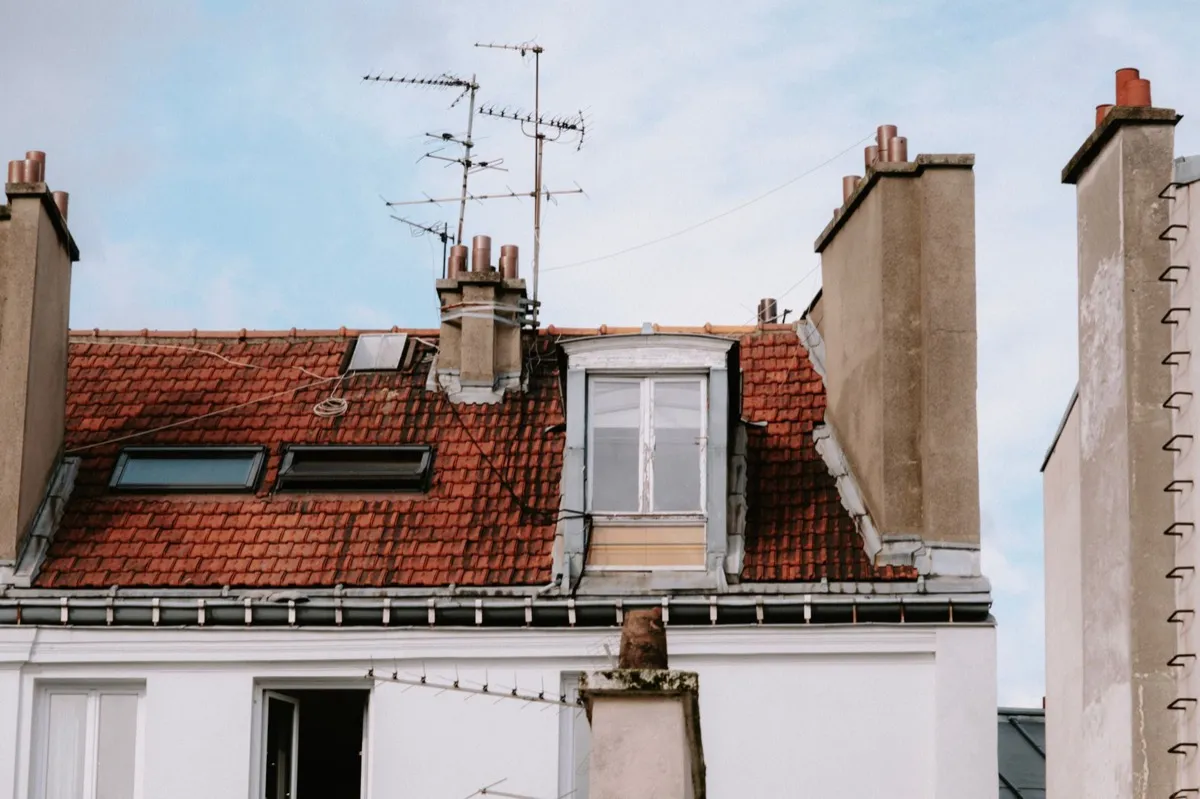
Chimney Flashing
Chimneys leak more than any other penetration on a valley roof, and a good share of the time the flashing is fine. Brick and mortar absorb water, and a stack that stays saturated for weeks passes moisture through itself into the chase and out at a ceiling below.
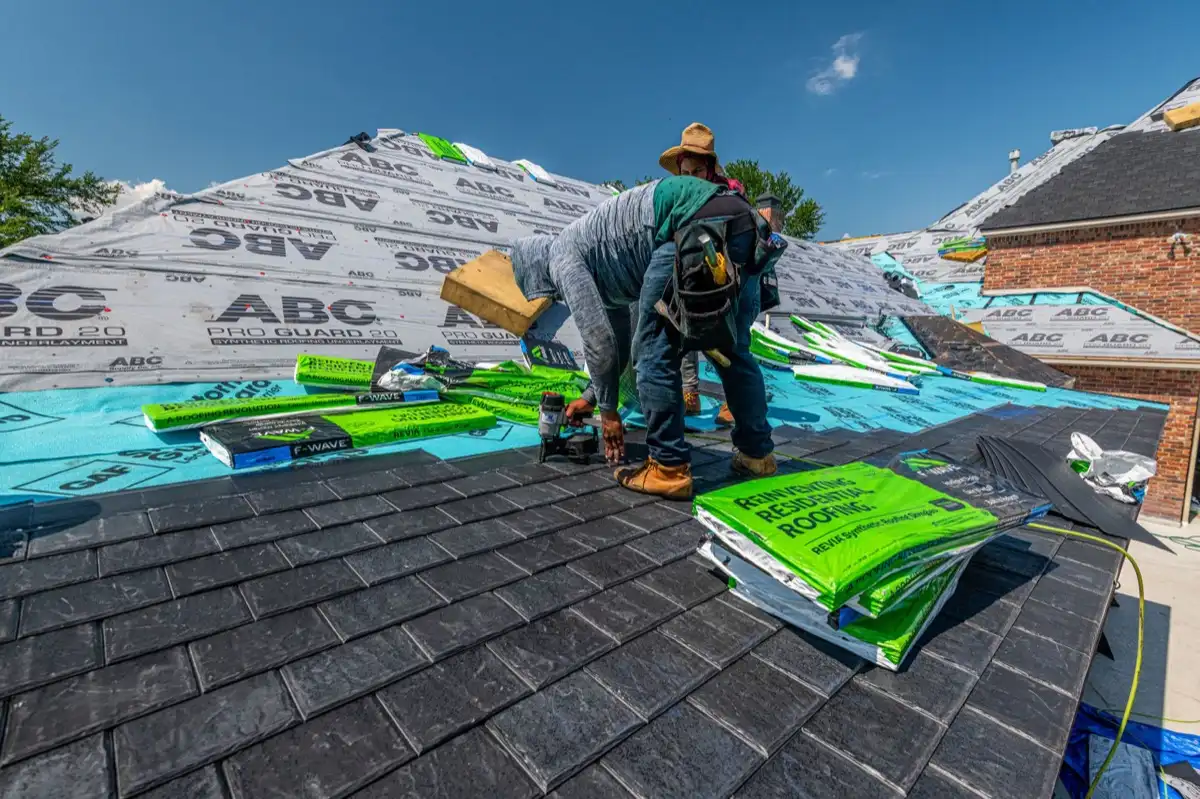
Emergency Roof Tarping
A cover stops the next inch of water. It does nothing about the water already in the deck, and on the valley floor that second half is the whole job, because nothing up there is going to dry on its own between November and March.
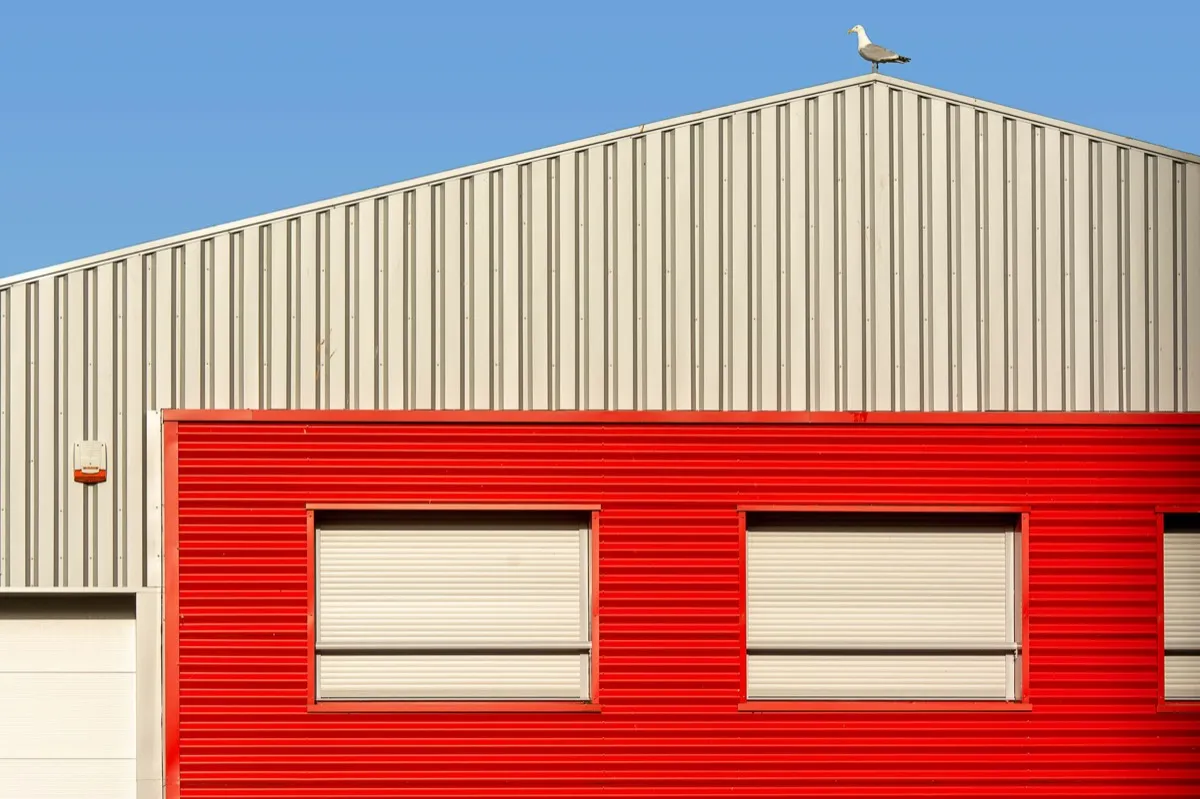
Commercial Roofing
Commercial low-slope roofs on the valley floor age by moisture rather than by weather. Water gets into the insulation through a seam or a penetration, and then it stays, because a roof that never warms for weeks at a time has no mechanism to drive it back out.
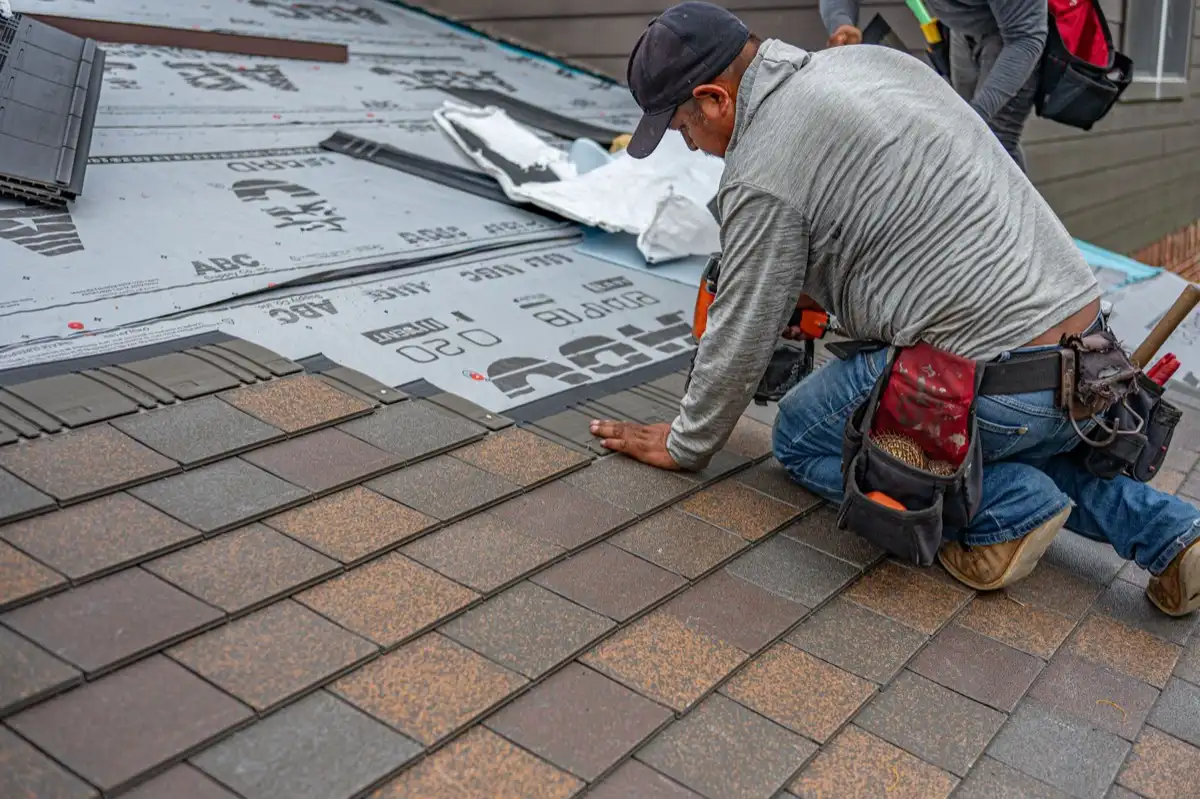
Insurance Claim Support
We document and we do not negotiate. Utah licenses public adjusters under its insurance code and a roofing contractor is not one, so what we produce is evidence for your file rather than an argument with your carrier on your behalf.
West Jordan Roof Pros is a licensed, insured roofing contractor in West Jordan, Utah, handling roof replacement, leak repair and deck work, hail and wind damage restoration, tile relays, metal roofing, flat and low-slope membrane systems and commercial roofing across the Salt Lake Valley. We install architectural asphalt shingles, standing-seam and stone-coated steel, TPO, EPDM and modified bitumen.
What we do differently is start under the covering. Roofs on the valley floor spend a third of the year damp and shaded, so we meter the sheathing from the attic before quoting, probe the eave courses by hand, and write the readings into the estimate. A roof that reads wet needs a different scope from one that does not.
The work covers tear-off and partial re-decking, vapor-permeable synthetic underlayment, self-adhered membrane at eaves and valleys, ridge and soffit ventilation, ceiling-plane air sealing, gutters, fascia and soffit, chimney flashing, skylights, roof coatings, emergency covering and claim documentation. We serve homeowners, landlords and property managers across the valley and out into Tooele and Davis counties. Estimates and inspections cost nothing, we do not subcontract our crews, and a written workmanship warranty comes with every roof we install.
What West Jordan Customers Say
They went in the attic first with a moisture meter and showed me the readings before they went on the roof. Turned out my January ceiling stain was condensation, not a leak. They sealed the ceiling plane and cleared the soffits and it has been dry two winters running.
Two other bids quoted a full replacement. These guys probed the eaves, found about six sheets of bad decking and sound sheathing everywhere else, and quoted the decking as its own line. Ended up costing a lot less than the other two and I could see exactly why.
Asked them for a silicone coating on our flat porch roof in October and they said no and explained why it would not cure. Booked us for July instead and repaired the seam that was actually leaking in the meantime. Not many contractors turn work down.
Covered the roof the evening a spring storm took the ridge cap off, battened down properly rather than stapled, then pulled the wet insulation and put a fan in the attic. Photographs of everything before the tarp went on, which my adjuster asked for later.
Why West Jordan Chooses West Jordan Roof Pros
- ✓We meter the roof sheathing from the attic before quoting, and those readings go into the estimate
- ✓Eave courses are probed by hand, because the bottom four feet is where valley roofs fail first
- ✓Vapor-permeable underlayment across the field, so a damp deck can still dry upward through the assembly
- ✓Ceiling-plane air sealing is quoted before extra roof vents, because it fixes more attics for less money
- ✓Coating and sealing work is booked for summer only, and we will turn the job down in October
- ✓When a roof does not need replacing we say so in writing, and nobody from this company knocks doors after a storm
About West Jordan Roof Pros in West Jordan, UT
West Jordan Roof Pros is a roofing contractor working West Jordan, Taylorsville, Riverton, South Jordan, Midvale, Herriman, Murray and the rest of the Salt Lake Valley. We run our own crews rather than brokering the work out, so whoever measures your roof and writes the scope is standing on it while the job happens. Licensed and insured, with a written workmanship warranty on everything we install.
The way we quote is unusual for this trade and it comes out of what the valley floor does to roofs. For weeks each winter nothing up there warms enough to dry, so the deck rather than the covering is what decides how a roof ages.
We meter the sheathing from the attic before pricing anything, probe the eave courses by hand, and put the readings and the expected decking square footage in the estimate rather than discovering them on tear-off day.
Some jobs we would rather argue you out of. Where the deck probes firm and the covering still has years in it, that goes in writing and we leave, and we will not sell an impact-rated upgrade in a market where the money buys more roof somewhere else. We will not book coating work in October because it will fail.
Nobody from here knocks doors after a storm, we never offer to absorb a deductible, and if a claim needs an advocate we will tell you to hire a licensed public adjuster.
How It Works
- 1
Free Inspection, Attic First
We start inside with a pin meter and a light, reading sheathing moisture bay by bay and checking whether the soffit intake is open. Then we walk every plane, probe the eave courses with an awl and photograph each penetration on its own.
- 2
A Scope Built Around the Deck
Your proposal names the moisture readings by location, the square footage of decking we expect to replace, the underlayment by product and the fastener by type. Any upgrade worth considering is quoted on its own line beside the straight replacement figure, so the difference is yours to weigh.
- 3
Tear-Off, Deck Work, Dry-In
We strip to the sheathing, replace what probes soft at the eaves, re-nail the field to the current schedule, then dry in with self-adhered membrane at eaves and valleys and vapor-permeable synthetic across the rest of the roof.
- 4
Final Walk and the File
We walk the finished roof with you, run magnets over the lot twice, and hand you one file: before and after photographs, the moisture readings, the product data sheets and the written workmanship warranty.
Commercial Roofing in West Jordan & Across the Salt Lake Valley
Our commercial work covers distribution and light manufacturing along the Bangerter Highway and Mountain View corridors, retail and restaurant property on the main valley arterials, clinics, churches, schools, offices and multi-family blocks.
On a low-slope commercial roof in this climate the failure mode is almost always trapped moisture rather than a dramatic weather event: water enters at a seam or a penetration, saturates the insulation, and then has no way out because the roof surface never warms enough to drive it off.
So the first thing we do on a new building is find out whether the insulation is dry, with core cuts at the low points or an infrared survey on a clear evening.
That answer decides whether you are buying maintenance, a sectional repair, a recover or a tear-off, and it is the difference between a sensible budget and a wasted one. Most of our commercial work turns out to be upkeep rather than replacement.
A property manager running several buildings gets a separate condition report for each one, with the core-cut results attached and the roofs ranked in the order we would spend money on them.
- ✓Core cuts and infrared surveys before any recover is quoted
- ✓TPO, EPDM and two-ply modified bitumen at 60 and 80 mil
- ✓Cover board, half-inch high-density or gypsum, beneath every membrane
- ✓Fully adhered assemblies with enhanced perimeter and corner fastening
- ✓Tapered insulation and crickets to build fall to drains and scuppers
- ✓Edge metal specified to the ANSI/SPRI ES-1 standard
- ✓Drain and scupper clearing every October and March
- ✓Work sectioned so tenants trade and operations run right through it
Service Areas
West Jordan Roof Pros serves West Jordan, UT and surrounding communities including:
Recent Projects Across the Salt Lake Valley
Frequently Asked Questions
Why does my ceiling stain in January and dry out by March?
Because it is almost certainly condensation rather than a leak. Through inversion season the roof sheathing sits below the dew point of the air inside your house for weeks at a time, so moisture from cooking, showers, an unsealed attic hatch or a bath fan ducted into the attic condenses on the underside of the deck and drips.
A real leak follows precipitation and tracks back to one point. Condensation follows temperature, appears in several bays at once, worsens on the coldest mornings and often stains right under nail tips.
We check it from the attic with a moisture meter before touching anything on the roof, because the correction is usually air sealing and intake ventilation, which is cheaper than roofing and not the same trade.
Is an impact-rated roof worth the money in West Jordan?
Usually not, and we will say so before you ask. On the plains, where two-inch stones arrive most years, an impact-rated covering pays for itself.
Hail here is more occasional and generally smaller, and the same money spent on eave decking, open soffit intake and a corrected valley buys more roof life on a plane that stays wet half the year.
There are exceptions we will name: a steep, exposed roof high on the bench, a metal roof on a shop where dents stay, or concrete tile that cracks where asphalt would flex. If your situation is one of those, we will run the numbers with you rather than talk you out of it on principle.
Can you replace a roof here in the winter?
We can, and on the valley floor we would rather not. Two things go wrong in cold, damp conditions: the deck we are fastening into is already carrying moisture, and shingle sealant strips need warmth to bond, so a roof finished in December may not seal properly until spring.
If your roof is open or actively failing we will do the work and hand-seal the edges. If it is a planned replacement, we will book you for a shoulder season and put a battened cover on anything that needs to get through the winter.
That is a slower answer than most companies give and it is the one we believe.
My north-facing slope has dark streaks. Is that mold, and does it mean a new roof?
It is neither. Those streaks are Gloeocapsa magma, a cyanobacteria that grows on the limestone filler in asphalt shingles, and it thrives on planes that stay damp and shaded. On the north and northeast sides of a valley house that is most of the winter.
It is a cosmetic problem, not a structural one, and it does not shorten the life of a sound covering by much. It can be cleaned with a low-pressure sodium hypochlorite wash, never with a pressure washer, which strips granules.
When those planes are eventually replaced, a shingle with copper-bearing algae-resistant granules is worth the small premium there and largely pointless on the sunny side.
How long does a roof replacement take, and what happens to my yard?
A typical West Jordan house is a one to two day job once material is on site, and a roof with steep sections, several penetrations or significant eave decking to replace can run into a third day.
Material is staged to keep drives and planting beds clear, the ground gets covered around the whole perimeter, and a magnetic roller goes over the lot before we leave each evening and once more at the final walk. Nothing shifts our schedule like the forecast does.
No deck of ours gets opened ahead of a front we know we cannot beat, and we would sooner push you back two days than leave sheathing exposed overnight in the wet season.
Do you handle the insurance paperwork on a storm claim?
We handle the documentation and not the negotiation. Utah licenses public adjusters under Title 31A of its insurance code and a roofing contractor is not one, so reading your policy for you, putting a figure on what the carrier owes, or arguing it out with them are all off the table.
What we do produce is a record: each plane inspected on its own, test squares marked and counted, damage photographed and dated, dents logged off the vent hoods and gutter aprons, sheathing moisture noted bay by bay, and a written scope of the repair.
We also will not rebate any part of your deductible: section 13-50-302 of the Utah Code prohibits it, and section 13-50-303 requires that notice on our contracts in capital letters.